Website Development Timeline: Insights from Industry Experts on Project Duration
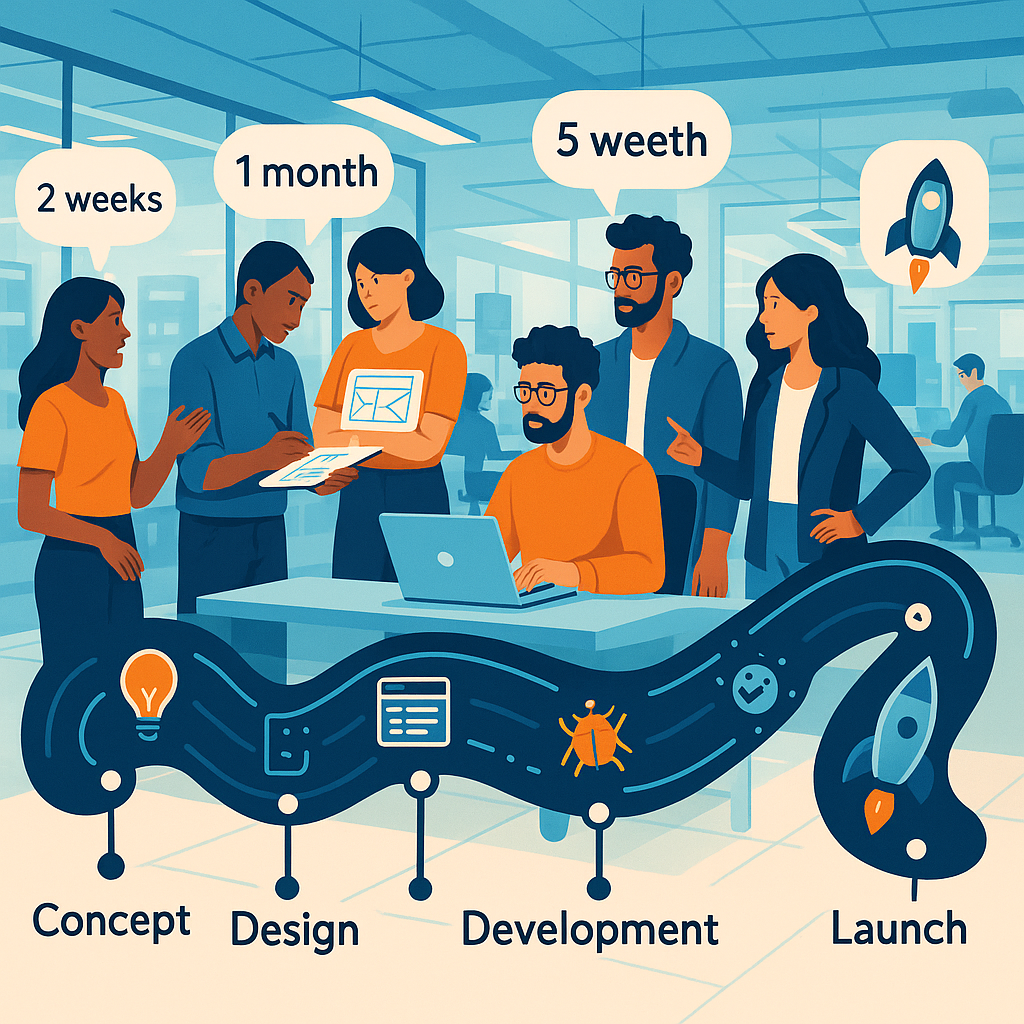


When exploring how long it takes to create a website, the advice can vary dramatically. Some suggest it only takes days, while others claim weeks are necessary. Who should you believe?
The reality is that most estimates for website development timelines are often just approximations, failing to account for numerous factors that can significantly influence the overall process.
To gain clarity, we consulted experts and partners in the industry to provide more accurate timelines and essential considerations for estimating the duration of building a website.
The website you are currently reading generally takes about 6-10 weeks to complete.
Note: These estimates reflect the time required to launch a site and do not include future content creation or ongoing maintenance considerations.
There’s no one-size-fits-all timeline for building a website. Some projects may go live in a matter of weeks, while others can extend over several months. However, you can avoid guesswork by being aware of the key factors that will affect your website development timeline.
The planning phase is crucial as it lays the groundwork for the entire project. Initially, identify the following:
Spending a week on these details can prevent months of revisions down the road, ensuring everyone is aligned on what success looks like and minimizing the chances of modifications later in the process.
Clearly defining the scope of your project helps set expectations regarding the size and complexity of your website.
Just a minor change, such as adding a new page, can lead to significant delays.
Make it a priority to finalize the specifics, including:
As a best practice, consider breaking your website’s scope into phases. The first phase can focus on essential features for the launch, while subsequent phases can add additional elements and refinements.
Conflicting feedback from different stakeholders can severely hinder progress, often leading to weeks of delays.
Solution: Ensure all key decision-makers are aligned before embarking on development.
Confirm that stakeholders agree on:
Ensuring clarity on these points before beginning construction can help maintain momentum throughout the project.
Once planning is complete, it’s time to explore the various methods of building a website and how they impact timelines.
Below is a breakdown of the time estimates based on website size:
| Site size/scope | DIY site builder | AI Site Builder | Professional agency / in-house team |
| Small | Few hours – 2 weeks | <2 days | 2-4 days |
| Medium | 1-4 weeks | 3-7 days | 2-4 weeks |
| Large | — | — | 6-10 weeks |
| Extra-large | — | — | 6 months – 1 year + |
Using a DIY approach allows for full control over the design and creation of your site, even without coding skills. While this route entails investing time in learning and creating, it is a viable option for those on a budget who are keen to engage in the process.
To get started, choose a theme that aligns with your vision from a wide array of options. Focus on establishing the fundamental structure and organization of your site before diving into intricate design tweaks.
For those looking to develop a unique website without the lengthy learning curve, working with professionals might be the best choice. This could involve hiring freelancers for specific tasks or collaborating with agencies for comprehensive support.
Expect to spend time vetting candidates and creating a detailed brief that outlines your needs. Communication is key throughout the process to set clear milestones and expectations.
Building a website can be complex, and lacking proper planning might lead to wasted timelines.
Utilize this guide to navigate the stages of development from conception to launch, incorporating ample buffer time at every interval.
If you’re working on website development-related projects and need dependable support, WordPressOngoing can help. We focus on building long-term partnerships by delivering high-quality work, fast solutions to issues, and consistently responsive communication—so your team can move forward with confidence.



Empower Your WordPress Journey

If you’re working on WordPress-related projects and need dependable WordPress development support, WordPressOngoing can help. We focus on building long-term partnerships by delivering high-quality work, fast solutions to issues, and consistently responsive communication—so your team can move forward with confidence.


